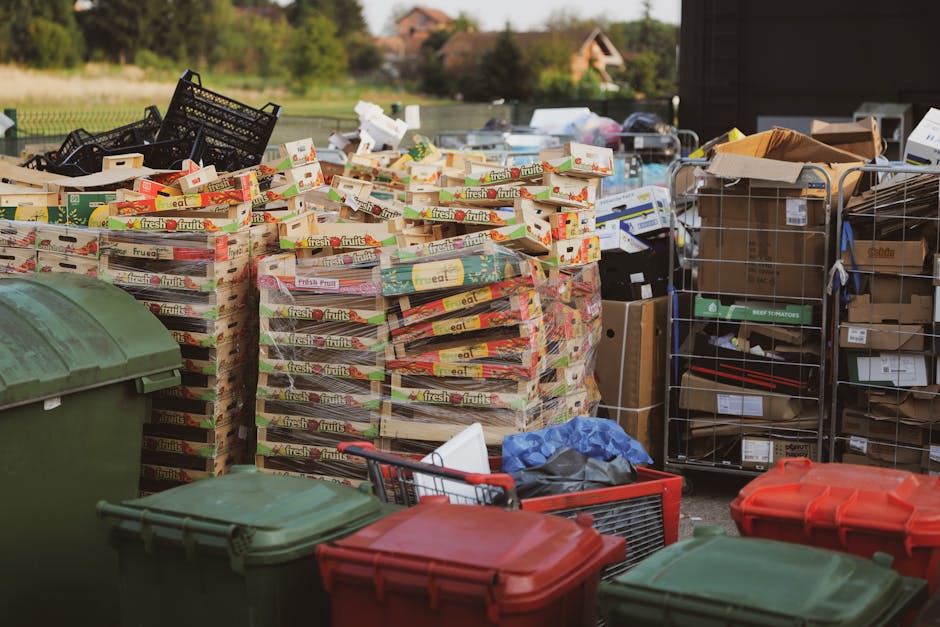
Same day rubbish collection in E7 what to expect

If you need rubbish gone quickly, same day rubbish collection in E7 can feel like a small miracle. One minute you are staring at a pile of bags, old furniture, builders' offcuts or a half-cleared loft; the next you are trying to work out how fast a team can actually turn up, what they will take, and whether the whole thing is going to be straightforward or a bit of a faff.
This guide explains same day rubbish collection in E7 what to expect in plain English. You will see how the process usually works, what affects timing, what to prepare before the team arrives, and where people most often get caught out. There is also practical advice on pricing, compliance, access, and choosing the right kind of collection for your situation. Truth be told, the more you know upfront, the smoother the day tends to go.
Why same day rubbish collection in E7 matters
There are times when waste simply cannot wait. A landlord needs a flat turned around. A shop has packaging and damaged stock blocking the back room. A home is mid-clearance and the hallway has become a narrow obstacle course. In those moments, same day collection is less about convenience and more about getting your space back before the day is over.
In E7, where homes, flats, small businesses and renovation projects sit close together, quick turnaround matters even more. You may not have room for a skip, you may not want waste sitting outside overnight, or you may need access cleared for trades, deliveries or family plans. That is where a same day rubbish removal service becomes genuinely useful.
It also helps reduce stress. Waste has a funny way of making everything feel unfinished. A room can be clean, but if the old sofa is still there and the bags are piled in the corner, it does not feel done. Same day removal gives you that finished feeling, often within hours rather than days.
Expert summary: The real value of same day collection is not just speed. It is momentum. Once clutter is gone, decisions get easier, rooms become usable again, and the job stops hanging over you.
How same day rubbish collection in E7 works
The process is usually simpler than people expect. You make an enquiry, describe the waste, agree an estimated collection window, and the team arrives to assess the load before removing it. If you have already given clear details, the actual visit can be very quick. If the job is more varied, the team may need a little more time to sort, quote and load safely.
What happens on the day depends on the type and amount of rubbish. A small bag collection may be done in minutes. A larger clearance, such as a garage, loft or office, may need more time and a bit of planning. The important thing is that same day usually means same day subject to availability, not instant on-demand magic. Nice if it happens, not guaranteed if the diary is packed.
Before a crew arrives, they will usually want a few key details:
- what type of waste you need removed
- rough volume, such as bags, boxes, furniture items or mixed waste
- whether there is easy access from street to property
- any parking restrictions, stairs or tight hallways
- whether anything needs special handling, such as appliances or heavier items
If your waste includes bulky furniture, broken white goods or mixed household items, it can help to look at related services such as furniture disposal, fridge and appliance removal, or broader waste removal options. For more complex clearances, there are dedicated services too, like house clearance, flat clearance, garage clearance, and loft clearance.
Key benefits and practical advantages
Speed is the headline benefit, of course. But the practical advantages go a bit deeper than that. Same day rubbish collection can save space, avoid disruption, and stop waste from becoming a safety issue. It is one of those services people only fully appreciate when they are knee-deep in packaging, broken furniture or renovation debris.
Some of the most common benefits include:
- Fast space recovery: you reclaim rooms, hallways, yards or work areas quickly.
- Less stress: no waiting around with bags and bulky items for several days.
- Better presentation: useful for landlords, sellers, agents and businesses preparing for visitors.
- Safer access: fewer trip hazards and less clutter in busy areas.
- Flexible for mixed waste: helpful when several types of rubbish need removing at once.
There is also a quiet financial benefit in avoiding delay. If a room is blocked, a decorator, electrician or delivery team may be forced to reschedule. That is annoying, and it can ripple through the rest of the week. A quick clearance can prevent a tiny waste pile from becoming a bigger operational problem. Happens more often than people think.
For businesses, same day collection can be especially valuable after office moves, stock clearance, or a burst pipe that has ruined furniture and packaging. If that sounds familiar, office clearance and business waste removal are worth understanding before you book.
Who this is for and when it makes sense
Same day rubbish collection in E7 is not just for emergencies. It suits a wide range of everyday situations where waiting would be inconvenient or costly. To be fair, that covers more households and businesses than you might expect.
It often makes sense for:
- tenants moving out at short notice
- landlords needing a fast turnaround between lets
- families clearing a house after a busy weekend of sorting
- people dealing with a sudden build-up of bulky waste
- tradespeople needing builders' waste removed before the next stage starts
- shops and offices with urgent mixed rubbish or old stock
- anyone with limited parking, storage or kerb space
It is especially useful where the waste is awkward rather than just heavy. A broken wardrobe, a damp mattress, bagged clutter, old office chairs, cracked shelving, garden offcuts after a weekend tidy-up - these are the jobs that can sit around longer than they should. If the waste is more specific, options like mattress and sofa disposal, garden clearance, or builders' waste clearance may fit better.
It may not be the best choice if you have lots of time, plenty of access, and a straightforward load that could wait for a booked collection. Sometimes slower is simpler. No shame in that.
Step-by-step guidance
If you want the day to run smoothly, a little preparation goes a long way. Here is the practical version of what usually happens.
- Describe the waste clearly. Mention the type of rubbish, approximate quantity, and whether anything is especially bulky, heavy or awkward.
- Check access. Think about stairs, narrow passageways, lift access, parking, and whether the team can park near the entrance.
- Ask about what happens on arrival. A good provider should explain whether they do a quick visual check, confirm the quote, and then start loading.
- Separate anything you are keeping. This sounds obvious, but in a rushed clear-out it is easy to leave useful items too close to the pile.
- Move fragile or personal items away. Photos, paperwork, devices, ornaments and small valuables should be well out of the way.
- Show the team everything that needs taking. It saves time and avoids the awkward "oh, and that bit too" moment halfway through.
- Confirm the final price before removal begins. This is a sensible check whenever the waste amount or access has changed from the original description.
- Watch the loading process if you can. It is useful if you want to make sure the right items go and the right ones stay.
A small but important point: if the waste is spread through multiple rooms, say so upfront. Teams can usually deal with that, but it affects the time on site. A loft, a garage and a front garden pile are not the same as one neat stack by the door. Not even close.
For businesses handling sensitive paperwork at the same time as general waste, it may be sensible to combine clearance with confidential shredding. That keeps admin waste separate from general rubbish and reduces risk. And if you are looking at the numbers before booking, the page on pricing and quotes is a useful place to start.
Expert tips for better results
The fastest collections are nearly always the ones that are prepared properly. A few small habits make the whole thing easier.
First, group similar items together. Bags with bags. Furniture with furniture. Builders' offcuts in one area. That sounds basic, but it helps the crew assess the load quickly and load the vehicle more efficiently.
Second, be realistic about volume. People often underestimate how much space a pile takes once it is gathered, lifted and stacked into a truck. A couple of bulky items can eat space fast. If you are unsure, over-explain rather than under-explain.
Third, take photos if the provider asks for them. Even a few phone pictures can help with pricing and logistics. The inside of a cluttered room rarely looks smaller in a photo, which is mildly annoying, but actually useful.
Fourth, think about access before the day arrives. If there is parking pressure or timed access, mention it early. That saves delays and awkward improvisation.
Fifth, keep wet or hazardous items separate. Paint tins, chemicals, solvents, gas canisters and similar materials often need special handling. If you are not sure, ask before the booking is confirmed. It is much better than discovering a problem at the kerbside.
Where sustainability matters to you, ask how reusable or recyclable material is handled. Many customers now want waste to be sorted responsibly, and that is fair enough. You can read more about that approach on recycling and sustainability.
Common mistakes to avoid
Most problems on the day are avoidable. Usually they come down to poor information, rushed planning, or assuming "same day" means everything can be sorted in the last ten minutes.
- Giving an estimate that is too vague. "A bit of rubbish" is not much help if there are ten bags, a wardrobe and half a shed.
- Forgetting about access. Narrow stairs, no lift, limited parking or a locked gate can slow everything down.
- Mixing restricted waste into the load. Hazardous material should never be slipped into general rubbish.
- Not checking what is included in the price. Some jobs need extra labour because of weight, distance or loading complexity.
- Leaving items to be removed until the team is already there. It is the classic last-minute scramble. Happens, but avoid it if you can.
Another common issue is choosing the wrong service. If the job is mostly bulky household items, a specialist furniture collection may be a cleaner fit than a broad waste pickup. Likewise, if you are clearing an entire property, a more complete service such as home clearance or furniture clearance could be more efficient than piecemeal removal.
And one more, slightly awkward but true: people sometimes forget the item they wanted removed is blocked by six other items. That is not ideal when the van is outside and everyone is already in work mode. A tiny bit of prep saves a lot of back-and-forth.
Tools, resources and recommendations
You do not need fancy equipment to prepare for a same day collection, but a few simple tools help more than you might think.
- Phone camera: useful for documenting the waste pile and sharing photos when a quote is needed.
- Marker pen or labels: helpful if you are separating keep, donate, recycle and remove piles.
- Heavy-duty gloves: sensible if you are sorting through dusty loft waste, old boxes or garden debris.
- Basic measuring tape: handy for bulky items like wardrobes, sofas or appliances.
- Clear route plan: a quick walk from door to waste pile can reveal obstacles before the team arrives.
For people comparing approaches, the website's what can go in a skip page can help if you are deciding between a skip and a direct collection. The right option depends on space, timing and how much loading you are prepared to manage yourself.
If you want to understand the provider's wider approach, it is also sensible to review the company information on about us, as well as practical policies such as health and safety, insurance and safety, and payment and security. Those pages are not exciting, granted, but they do tell you a lot about how a service is run.
Law, compliance, standards, or best practice
Waste removal in the UK sits within a fairly responsible framework, even when the job is small and local. In plain language, that means the waste should be collected, transported and handled properly, not casually tipped into a van with no checks. If a provider is reputable, you should expect them to treat disposal responsibly and separate waste types where appropriate.
For you as the customer, the main best-practice points are simple:
- do not hand over prohibited or hazardous items without checking first
- describe the waste accurately
- ask how the provider handles sorting, recycling and disposal
- keep paperwork or sensitive material separate if it should not be mixed with general rubbish
- make sure access and parking arrangements are realistic
If your load includes fridges, appliances or items that may require special handling, ask in advance rather than assuming they are treated like normal furniture. The same applies to anything that could be classed as hazardous. That is where the separate hazardous waste disposal page becomes relevant.
Good practice is not about making the process complicated. It is about avoiding avoidable risk. Simple as that.
Options, methods, or comparison table
If you are weighing up same day rubbish collection against other waste solutions, the best option usually depends on time, waste type and how much labour you want to do yourself.
| Option | Best for | Pros | Trade-offs |
|---|---|---|---|
| Same day rubbish collection | Urgent clear-outs, bulky mixed waste, last-minute jobs | Fast, convenient, minimal disruption | Depends on availability and accurate information |
| Pre-booked waste removal | Jobs with more planning time | More flexible scheduling, good for larger preparation | Not ideal when the job is already urgent |
| Skip hire | Projects with steady waste output and enough space | Useful for ongoing work, can suit heavy renovation waste | You usually load it yourself and need space outside |
| Specialist clearance | Whole-room or whole-property clearances | Good for bigger, structured jobs | May be more than you need for a small pile |
For a small flat with limited outside space, direct collection is often the cleanest solution. For a long renovation, a skip may be more practical. For a whole property, a dedicated clearance service can save a lot of time and admin. There is no single winner every time. A bit annoying, but true.
Case study or real-world example
Imagine a two-bedroom flat in E7 where the occupants have just finished decorating. There is a broken bookcase in the hallway, several black bags of packaging in the kitchen, an old mattress leaning awkwardly in the bedroom, and a few bits of stripped wood from a DIY job. Nothing is dangerous, but the place feels cramped and unfinished.
The residents contact a local waste team early in the day, explain the items, mention that the flat is on an upper floor, and confirm that there is a short parking window outside. They also send a couple of photos. That matters, because the team can see the access point and estimate how the lift-free load will be managed.
When the crew arrives, they check the load, confirm the price, and remove the waste in one visit. The hallway is clear in the afternoon, and the flat is suddenly usable again. The key thing here is not the speed alone. It is the combination of good description, manageable access, and knowing what the team needed to see in advance.
That is what a well-run same day collection looks like in practice. Not dramatic. Just efficient. And on a busy weekday, efficient feels very good indeed.
Practical checklist
Before the collection, run through this checklist. It keeps the job tidy and reduces the chance of surprises.
- Have I listed all the items that need removing?
- Have I mentioned bulky, heavy or awkward pieces?
- Is the access route clear from the waste to the exit?
- Have I thought about parking, stairs or lift access?
- Are any items hazardous, electrical or restricted?
- Have I moved valuables, documents and keep items out of the way?
- Do I understand how the quote is likely to be confirmed?
- Have I checked whether the waste is mixed or separated?
- Am I ready for the crew to work quickly once they arrive?
If you answer yes to most of these, the day usually runs far more smoothly. There may still be a tiny delay or a quick clarification call - normal enough - but the big headaches are usually avoided.
Get a free quote today and see how much you can save.
Conclusion
Same day rubbish collection in E7 is about more than speed. It is about getting a cluttered space back under control without turning the whole day upside down. If you know what to expect, prepare a little in advance, and share clear details about the waste and access, the process is usually straightforward.
The best results come from simple things done well: clear communication, realistic expectations, and the right service for the job. Whether you are clearing a flat, dealing with builders' waste, or just need a pile of unwanted items gone before evening, a same day collection can make a stubborn problem disappear surprisingly quickly.
And honestly, there is something deeply satisfying about watching a messy corner turn into open space again. Little win, but a proper one.
Frequently Asked Questions
What does same day rubbish collection in E7 usually include?
It usually includes the removal of general household waste, bulky items, mixed rubbish, and sometimes specialist items depending on the provider. The exact load accepted depends on the type of waste and how it is described before collection.
How fast can a same day collection happen?
That depends on availability, your location in E7, access conditions, and how busy the diary is. In good circumstances, it can be arranged within hours, but it is better to think of it as urgent scheduling rather than an instant promise.
Do I need to move the rubbish outside before the team arrives?
Usually not. Many collections are designed to remove waste from inside the property or from a rear area if access allows. Still, clearing a path and grouping items together will help the team work faster.
Can same day rubbish collection handle bulky furniture?
Yes, often it can. Sofas, wardrobes, tables and similar items are common. If the item is especially heavy, awkward or needs disassembly, mention that early so the team can plan properly.
Is same day rubbish collection more expensive?
It can be, because urgent jobs need quicker scheduling and more flexible planning. That said, the final price usually depends more on volume, labour, access and waste type than on speed alone.
What if I have builders' waste or renovation debris?
Builders' waste is commonly collected, but it helps to separate it from household waste where possible. If the material is mainly construction-related, a dedicated service such as builders' waste clearance may be the more suitable option.
Can I include a fridge or appliance in the load?
Sometimes yes, but appliances may need specific handling. It is always best to mention them in advance rather than adding them at the last minute. Fridges, in particular, are often treated differently from standard furniture or bagged waste.
What should I do if I am not sure how much rubbish I have?
Take a few photos and describe the load as clearly as you can. If possible, mention the number of bags, the size of bulky items, and the room or area the waste is in. That usually gives a far better estimate than guessing by eye.
Are hazardous items allowed in a general rubbish collection?
Usually not. Hazardous waste should be disclosed before booking so it can be handled correctly. Do not mix chemicals, solvents, gas canisters or similar items into general waste.
Can same day collection work for landlords and letting agents?
Yes, very often. It is especially useful for end-of-tenancy clearances, quick turnarounds, and unexpected waste left behind by previous occupiers. A fast collection can save a lot of back-and-forth.
What is the difference between rubbish collection and full clearance?
Rubbish collection is often better for defined loads that need removing quickly. Full clearance is more suited to bigger jobs, like clearing a room, flat or house from top to bottom. The right choice depends on the scale of the work.
How do I prepare for a same day collection if I have limited space?
Make a small route from the waste to the exit, keep valuables away, and group the items that are going. If space is tight, mention that early. Tight access is common in London, so it is not a problem in itself - it just needs planning.
Where can I learn more about the company and its policies?
Useful pages include about us, health and safety, insurance and safety, payment and security, and recycling and sustainability. Those pages help you check how the service is run behind the scenes.
If you are ready to clear the clutter and want a straightforward, no-drama solution, same day rubbish collection can be exactly the reset your space needs. A bit of planning, the right team, and suddenly the room feels like yours again.