Forest Gate rubbish removal guide for Romford Road homes
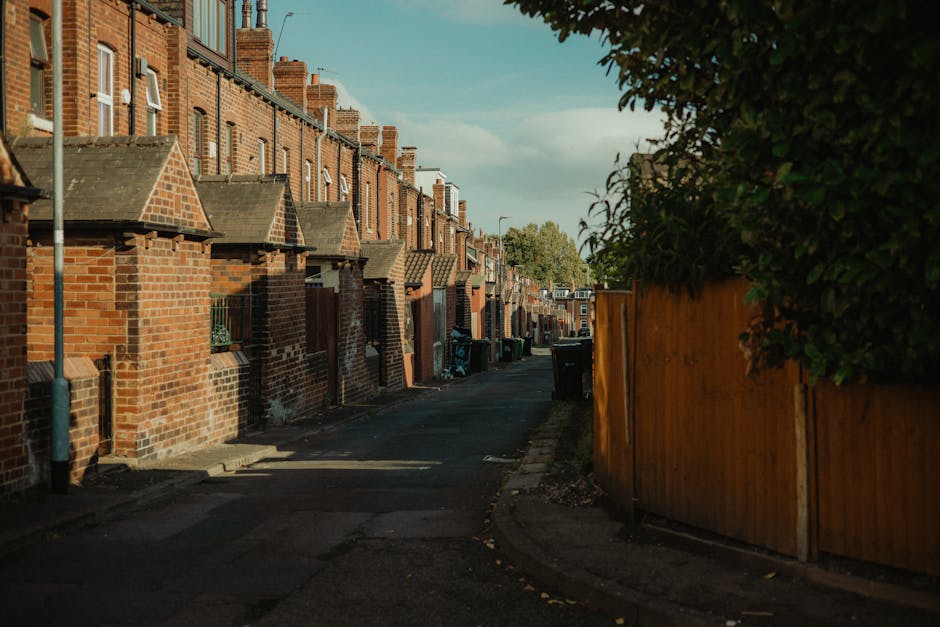
If you live on or near Romford Road, rubbish can pile up faster than you expect. A flat gets cleared after a move, a front room fills with broken furniture, or the loft becomes that place where "we'll deal with it later" goes to hide. This Forest Gate rubbish removal guide for Romford Road homes is here to make the whole thing feel less messy, less stressful, and a bit more manageable.
Whether you are dealing with a one-off clear-out, old appliances, renovation debris, or a house full of mixed household waste, the right approach saves time and avoids those awkward surprises on collection day. You do not need to become a waste expert. You just need a clear plan, a few practical checks, and a sensible idea of which service suits the job.
Below, you will find a local, plain-English guide to how rubbish removal typically works for Romford Road homes, what to watch out for, how to compare options, and the small details that make a big difference. Let's get into it.
Why Forest Gate rubbish removal guide for Romford Road homes Matters
Romford Road is busy, practical, and very much lived-in. Homes along the road and in the nearby streets often deal with limited storage, shared access, tight parking, and a constant turnover of household items. That combination makes rubbish removal feel more complicated than it should. A bag of waste is rarely just a bag of waste. It might be a broken wardrobe, old carpet, a chipped sideboard, a stack of bags from a spring clean, and a fridge that stopped working three weeks ago. Bit of a jumble, really.
That is why a local guide matters. It helps you choose the right method for the space you actually have, not the idealised version of the job. For some households, a general waste removal service is enough. For others, a more specific option like house clearance, flat clearance, or garage clearance makes far more sense.
It also matters because waste handling is not something to be casual about. Mixed rubbish can hide sharp items, electricals, heavy furniture, and materials that need special disposal. If you are sorting this out after a move, a bereavement, or a renovation, the last thing you want is a rushed decision that creates extra hassle later. Better to slow down for ten minutes and do it properly than rush for an hour and regret it all week.
Expert summary: For Romford Road homes, the smartest rubbish removal plan is usually the one that matches your access, your volume of waste, and the type of items you need removed. Clear that first, and everything else gets simpler.
How Forest Gate rubbish removal guide for Romford Road homes Works
Most rubbish removal jobs follow a fairly straightforward pattern, though the details vary depending on what you are clearing. In simple terms, you book a collection, describe the waste, agree the timing, and the items are removed for sorting, recycling, or disposal. Easy on paper. Real life can be a little more interesting, of course.
For homes near Romford Road, access is often the key issue. Is there space to park nearby? Are the items upstairs? Is there a narrow staircase or a shared entrance? These practical details affect the time required and the safest way to remove things. If you are getting rid of bulky items, consider whether a service like furniture disposal or furniture clearance is the right fit.
The other big factor is sorting. Some waste is easy to handle: cardboard, bagged household rubbish, old toys, clothes, and general clutter. Some items need more care: fridges, freezers, appliances, mattresses, paint, chemicals, sharp rubble, or anything that might fall into the hazardous category. If your load includes specialist items, it helps to check options like fridge and appliance removal or hazardous waste disposal before collection day.
Many people also use rubbish removal as part of a wider home reset. That might mean clearing a loft, sorting the shed, or getting the house ready for a sale or tenancy change. In those cases, a broader service such as home clearance or loft clearance can be more efficient than booking separate removals for each area.
Key Benefits and Practical Advantages
The most obvious benefit is time. Clearing waste yourself sounds simple until you are loading the car three times, trying to work out where to take different materials, and discovering that one item does not fit anywhere. A proper removal service cuts that out. You keep your day, your energy, and your sanity. Not a bad trade.
Another benefit is safer handling. Heavy wardrobes, old sofas, and awkward appliances can strain your back or damage stairs and walls if you try to move them without the right approach. If your job involves a mattress, large sofa, or similar bulky item, a dedicated service like mattress and sofa disposal can be the easier route.
There is also the space factor. In compact Forest Gate homes, rubbish can make rooms feel smaller very quickly. One cleared room often changes how the whole place feels. You notice the light again, the floor again, the calm of not having bags piled in the corner. That sounds dramatic, but anyone who has lived through a home clear-out will know exactly what I mean.
Finally, there is the peace of mind that comes from responsible handling. Many households prefer to know their waste is being sorted with recycling and recovery in mind where possible. If sustainability matters to you, it is worth reviewing a provider's approach to recycling and sustainability rather than assuming every service treats waste the same way.
- Less lifting and fewer trips
- Better handling of bulky or awkward items
- Reduced clutter and faster room recovery
- Cleaner sorting for recyclable materials
- More predictable planning for busy households
Who This Is For and When It Makes Sense
This guide is for anyone living in Forest Gate, especially on or around Romford Road, who needs rubbish gone without making a whole weekend of it. If you are a tenant, homeowner, landlord, letting agent, or someone helping a family member clear a property, the same basic principles apply.
It makes particular sense if you are dealing with:
- a move-out or end-of-tenancy clear-up
- bulky furniture that is no longer usable
- loft, garage, or shed clutter that has built up for years
- household waste after decorating or minor works
- mixed items from a whole-property tidy-up
- appliances that are too awkward for normal bin collection
If your home is a flat or maisonette, access issues may make a flat clearance especially practical. If you are clearing a property after building work, you may also need builders waste clearance rather than a standard household pickup. The right fit depends on what is actually there, not just what you hoped would be there.
And yes, sometimes the job is simply bigger than expected. You start with two bin bags and end up opening the loft hatch, then the garage, then the shed, and suddenly it is a proper project. Happens all the time.
Step-by-Step Guidance
Here is the cleanest way to approach rubbish removal for a Romford Road home. Nothing fancy. Just a method that works.
- Identify the waste type. Separate general rubbish, bulky furniture, electricals, garden waste, and anything potentially hazardous.
- Estimate the amount. Think in practical terms: a few bags, one room, multiple rooms, or a whole property.
- Check access. Note stairs, narrow halls, parking limitations, and whether items need dismantling.
- Choose the service type. For example, house clearance for a wider domestic job, or furniture clearance for bulky items.
- Ask how the waste is handled. Sorting, recycling, and safe disposal should be explained clearly.
- Prepare the items. Bag loose waste, empty drawers, disconnect appliances safely, and keep pathways clear.
- Set aside problem items. Put anything that may need specialist handling into a separate pile so it is not mixed by accident.
- Confirm timing and collection details. A tidy handover avoids confusion on the day.
If you are unsure whether something is allowed in a skip or whether it needs a different approach, the page on what can go in a skip is a useful reference point. It is not a cure-all, but it does help with the common "can this go with the rest of it?" question.
One practical tip: take a quick phone photo of the waste pile before collection. It helps you keep track of what is being removed, especially if the items are spread across more than one room. Handy little habit. Saves guesswork.
Expert Tips for Better Results
In our experience, the jobs that go smoothly are almost always the ones that are prepared a little better than average. You do not need to overdo it, but a few small steps make a big difference.
Keep categories separate
Do not dump everything into one pile if you can avoid it. Bagged general waste, furniture, appliances, and recycling are easier to assess when they are visibly separate. It speeds things up and reduces the chance of mistakes.
Think about dismantling
Sometimes a wardrobe or bed frame is easier to remove in pieces. If you can safely remove doors, shelves, or legs in advance, that can make the job much simpler. Just do not get heroic with the screwdriver at 11pm. Been there, regretted it.
Protect walls and floors
Narrow hallways, stair corners, and shared entrances are where scuffs happen. If you are doing any moving yourself, lay down protection or clear a wider route before lifting anything heavy.
Be honest about awkward items
If there is a fridge, freezer, or other appliance in the mix, mention it up front. The same goes for items with sharp edges, fluids, or signs of damage. Transparency helps ensure the right vehicle, crew, and disposal route are used.
Choose the right timing
If you can, avoid trying to clear a property at the same time as moving house, arranging a delivery, and hosting the electrician. All three at once tends to get noisy and slightly chaotic. A separate window is usually calmer.
For larger clear-outs, it can also help to compare a general removal option with a more targeted service like garage clearance or garden clearance. Sometimes a narrow service is more efficient than booking a broad one. Simple as that.
Common Mistakes to Avoid
Most rubbish removal problems are avoidable. The tricky part is that people often only learn that after a collection goes wrong. So here are the usual culprits.
- Underestimating the volume. A few "small" bags can turn into a lot once they are all gathered together.
- Mixing specialist waste with general waste. Appliances, chemicals, and sharp materials should not be treated like standard household rubbish.
- Ignoring access problems. Tight stairwells and limited parking can affect the whole job if nobody plans for them.
- Leaving sorting until the last minute. It is easier to separate items before collection than while someone is standing at the door waiting.
- Forgetting about recycling opportunities. Some materials can be recovered or diverted rather than treated as mixed waste.
- Booking the wrong service type. For example, an office job, a home clearance, and a furniture-only job are not always the same thing.
The biggest mistake? Probably assuming every rubbish removal job is identical. It is not. A single fridge in a basement flat and a full-house declutter are both "waste", but they need very different handling.
Tools, Resources and Recommendations
You do not need a van full of gear to organise a rubbish removal, but a few simple tools make the process easier.
- Heavy-duty bin bags for loose household waste
- Marker pen and tape for labelling piles or boxes
- Gloves for handling dusty, sharp, or awkward items
- Basic tools for safe dismantling where appropriate
- Phone camera to document the waste before collection
- Measuring tape if large furniture needs to pass through tight spaces
For mixed domestic jobs, a combination of services is often the best choice. For example, a loft full of old furniture may benefit from loft clearance plus furniture disposal. A home office clear-out might need careful handling of paperwork, and in those cases confidential shredding can be a useful addition.
If you want to understand how a provider structures its services, it can also be worth looking at pages such as pricing and quotes, payment and security, and insurance and safety. Those pages help you judge whether the business feels clear, organised, and transparent. That matters more than people sometimes think.
Law, Compliance, Standards, or Best Practice
Rubbish removal is not just about lifting and loading. There are practical duties around safe handling, correct disposal, and avoiding the transfer of waste to an unlicensed operator. You do not need to memorise legal wording, but you should expect any reputable service to follow proper UK waste-handling practice and to be careful with items that require special attention.
As a homeowner or occupier, the safest approach is to make sure the waste you hand over is described accurately and that you understand what is being removed. If a load contains hazardous or specialist items, it should be flagged early. That includes materials that may pose risks to health, property, or the environment. Better safe than sorry, really.
It is also sensible to keep records of what was collected, especially for larger clearances, tenancy changes, or renovation waste. A simple note or invoice can help you remember what left the property and when. That can be surprisingly useful later.
Best practice also includes good communication. If the access is awkward, say so. If there are stairs, say so. If there is a cracked appliance in the kitchen or a heavy wardrobe in the bedroom, say so. Everyone has a better day when the detail is known in advance.
And for businesses or mixed-use properties on Romford Road, the same principle applies with an added layer of care. If your needs extend beyond domestic rubbish, a page like business waste removal may be more appropriate than a standard household collection.
Options, Methods, or Comparison Table
There is no single best method for every home. The right choice depends on volume, access, item type, and how quickly you need it done. Here is a simple comparison to help you think it through.
| Option | Best for | Strengths | Watch-outs |
|---|---|---|---|
| General waste removal | Mixed household rubbish, bagged clutter, small clear-outs | Flexible, quick, practical for everyday jobs | May not suit specialist items or very large volumes |
| House clearance | Whole-home or multi-room clearances | Efficient for larger domestic projects | Needs clear access and better planning |
| Furniture clearance/disposal | Sofas, wardrobes, tables, beds, bulky items | Good for awkward lifting and heavy items | May need dismantling or item-by-item handling |
| Loft, garage, or garden clearance | Specific storage areas or outdoor spaces | Targeted and efficient | Can hide mixed waste if the area has been neglected |
| Builders waste clearance | Renovation debris, rubble, leftover materials | Suited to post-work clean-up | Not ideal for standard domestic items |
If you are unsure which route to take, the safest move is to start with the most specific description of the waste. That almost always leads to a better recommendation than saying "it's just a bit of everything". Which, to be fair, is usually code for "quite a lot of things".
Case Study or Real-World Example
Imagine a family in a Romford Road terraced home has just finished sorting a front bedroom, the loft, and part of the hallway. They have a broken chest of drawers, two disassembled shelves, several bin bags of old clothes and papers, and an old freezer in the back yard. It is not a full renovation, but it is more than a normal bin day can handle.
In that situation, the first helpful step is not booking blindly. It is separating the load into clear groups. Furniture goes in one area. Paper and clothing go in another. The freezer is flagged as a specialist item. Anything that looks sharp, damp, or potentially hazardous is kept apart. By the time the collection is arranged, the job is clearer, safer, and faster to complete.
The family might end up using a mix of house clearance, appliance removal, and a broader waste removal service. The important thing is that the plan matches the real pile, not the idea of the pile in someone's head. That small distinction makes a massive difference on the day.
And afterwards? The hallway feels wider, the bedroom finally usable again, and the loft hatch closes without a groan. Small win, but it feels good.
Practical Checklist
Use this checklist before arranging rubbish removal for a Forest Gate home on Romford Road.
- Identify what needs removing and what should stay
- Separate general waste from bulky items
- Flag appliances, mattresses, and anything specialist
- Check stairs, parking, and access routes
- Measure oversized furniture if needed
- Bag loose rubbish securely
- Clear a pathway from the waste to the exit
- Confirm whether the job is a house, flat, loft, garage, or garden clearance
- Ask about recycling and disposal handling
- Keep a note of what was removed
If your project involves a smaller load, you may only need a straightforward collection. If it is larger or more mixed, a clearer breakdown now will save time later. It really is that simple.
Get a free quote today and see how much you can save.
Conclusion
Rubbish removal for Romford Road homes does not have to feel like a huge project. Once you know what you are dealing with, choose the right service type, and prepare the access properly, the job becomes much more straightforward. The key is not perfection. It is clarity.
For many Forest Gate households, the best outcome comes from matching the removal method to the waste itself: general waste for everyday clutter, furniture disposal for bulky items, loft or garage clearance for hidden overflow, and specialist handling when appliances or hazardous materials are involved. That kind of practical decision-making keeps stress down and avoids those annoying second trips.
So if your home is starting to feel crowded, or that pile in the corner has been quietly growing for months, take it as your sign. Start small, sort it properly, and get the right help if you need it. A clear room has a way of making everything feel lighter.
And honestly, that fresh, open feeling is worth a lot.
Frequently Asked Questions
What is the best rubbish removal option for a Romford Road house?
It depends on the waste type and volume. For mixed household clutter, general waste removal is often enough. For a larger property clean-out, house clearance is usually more suitable.
Can I book rubbish removal for a flat in Forest Gate?
Yes. Flats are common around the area, and flat clearance is often the most practical option when access, stairs, or shared entrances make disposal trickier.
What should I do with old furniture before collection?
If possible, empty drawers, remove loose items, and dismantle pieces that are safe to take apart. If the furniture is bulky or awkward, a furniture clearance or furniture disposal service is usually easiest.
Can appliances like fridges or freezers be collected?
Yes, but they should be mentioned in advance because appliances often need specialist handling. Fridge and appliance removal is the better route than mixing them into ordinary rubbish.
What happens if I have mixed rubbish and builders waste?
Mixed loads can be handled, but it is best to describe them clearly. If the project involved renovation debris, builders waste clearance may be the more appropriate choice.
How do I know if something counts as hazardous waste?
If an item contains chemicals, oils, sharp contamination, or another potential risk, treat it cautiously and ask for guidance. Hazardous waste disposal should be separated from general household waste.
Is rubbish removal better than hiring a skip?
That depends on access, time, and the amount of waste. A service collection can be simpler for homes with limited parking or tight access. If you want to compare skip suitability, the what can go in a skip page is useful.
Can I clear a garage or loft in the same booking?
Yes, and that is often sensible. If the waste is spread across storage areas, garage clearance or loft clearance can be combined into a more complete tidy-up.
How should I prepare my waste before the team arrives?
Sort the items, bag loose rubbish, separate specialist waste, and clear a path to the exit. A few minutes of preparation usually saves a lot of time on the day.
What if I also need sofa or mattress removal?
That is common. Large soft furnishings are often best handled through mattress and sofa disposal, especially if they are too bulky for standard rubbish collection.
Do I need to worry about recycling?
It is sensible to ask. Many people now prefer services that sort waste with recycling and sustainability in mind, especially for mixed domestic loads.
Where can I learn more about the provider before booking?
Helpful trust pages include about us, pricing and quotes, payment and security, insurance and safety, and recycling and sustainability. They give you a clearer sense of how the service works and what standards to expect.
What is the easiest first step if my home feels overwhelmed with rubbish?
Start by making one pile, then separating it into smaller categories. That one move turns a chaotic room into a manageable job. After that, the next step becomes much easier to see.
Whether you are clearing one room or the whole property, a calm plan beats a rushed one every time. And if you take nothing else from this guide, take this: a tidy home starts with one decision, then one bag, then the next. That is usually how it begins.